BostonPicks

15 Best Transit Stations in Boston

Boston’s transit stations serve very different journeys, from Amtrak and commuter rail trips to Blue Line rides, downtown connections, and events near TD Garden. This guide helps you match each station with the route and travel purpose that fits your plans.

Consider transfer simplicity, access to regional or intercity services, and how much time you have before departure. Cleanliness, orderly operations, and booking ahead can also make a practical difference on busy travel days.

How this guide is ordered

Stations are ordered by the range of journeys they support, including rail, subway, bus, and transfer connections. The guide also considers event access, waterfront and East Boston travel, practical organization, cleanliness, and the need to plan ahead. Some eligible businesses may purchase enhanced visibility, which can influence their placement.

Top 3 Ranking Map How to choose

Compare 15 transit stations in Boston

North Station (MBTA) #1

North Station (MBTA)

4.3681 reviews
186 Canal St, Boston, MA 02114, United States
Best for
Commuters and visitors attending events at TD Garden

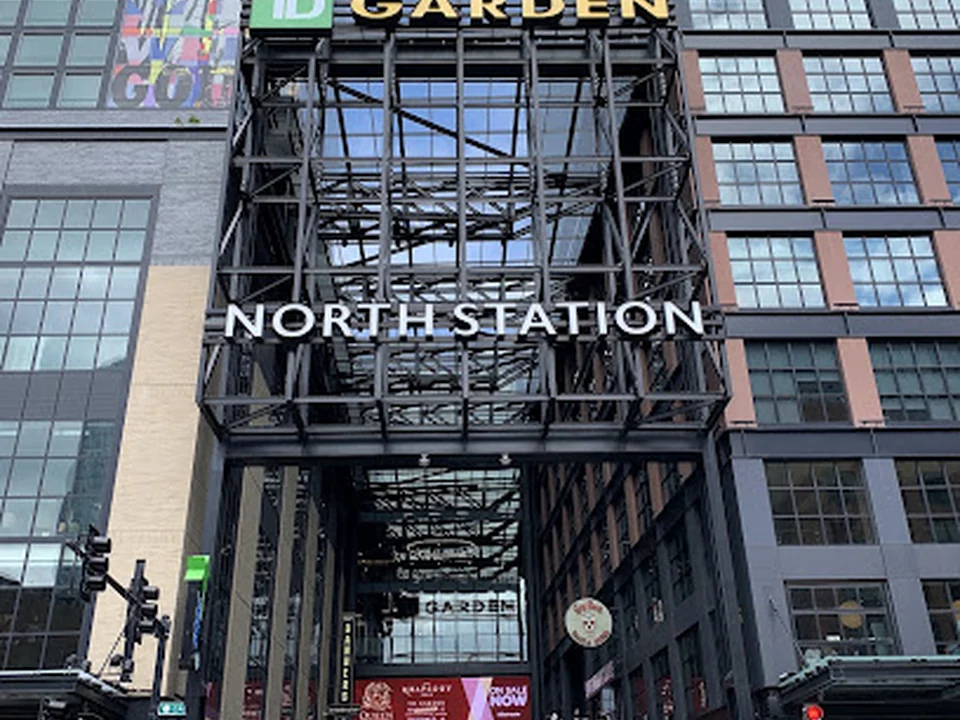
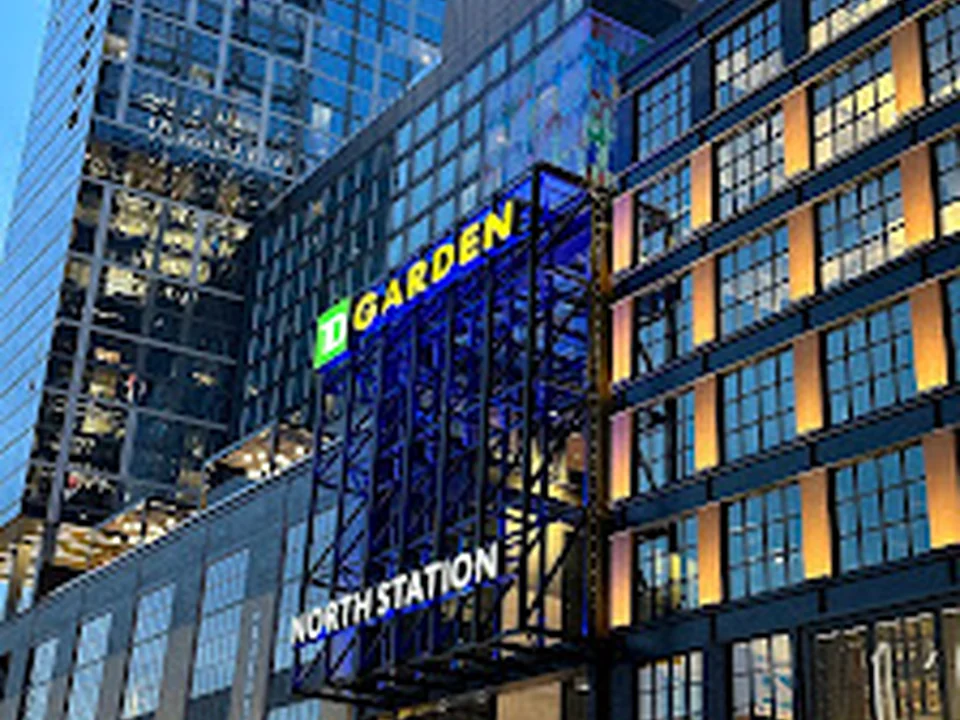
North Station is one of Boston’s major transit hubs, bringing together subway, commuter rail, and bus connections at the edge of the North End and beside TD Garden. The station is also a destination in its own right, with access to the Hub food hall, shops, cafés, hotels, and sports or concert events.

Its indoor connections make transfers more comfortable in cold weather, while direct links to the Green and Orange lines simplify trips across the city. The setting is modern, busy, and well maintained, with food and convenience options available before or after a journey. It is especially useful for suburban commuters, downtown travelers, and event attendees.
South (Train Terminal) #2

South (Train Terminal)

4.21816 reviews
700 Atlantic Ave, Boston, MA 02205, United States
Best for
Amtrak travelers and rail passengers

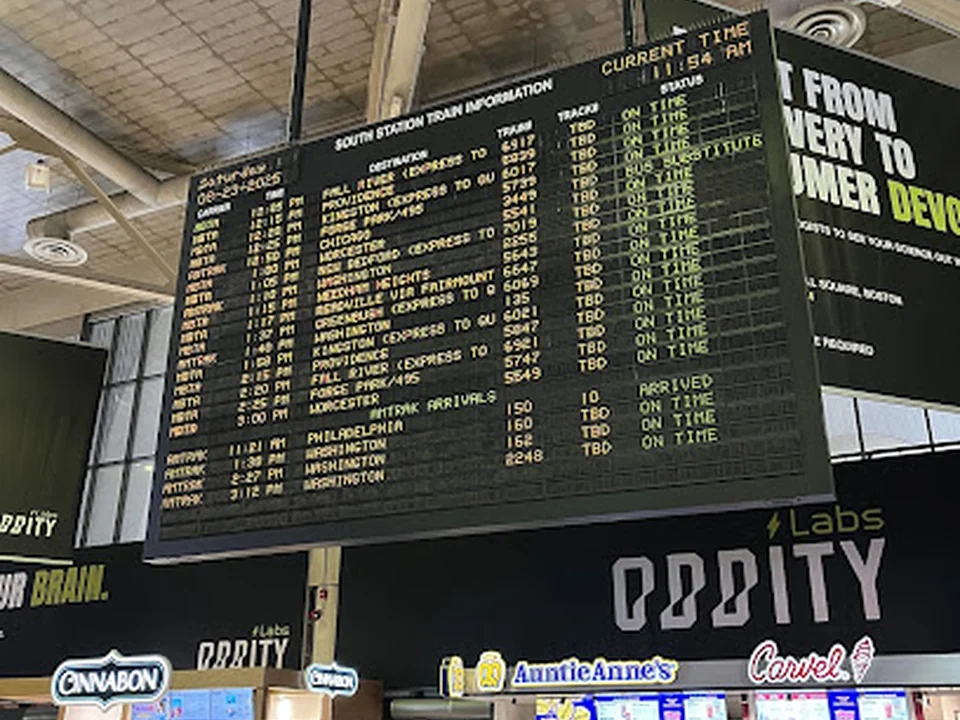
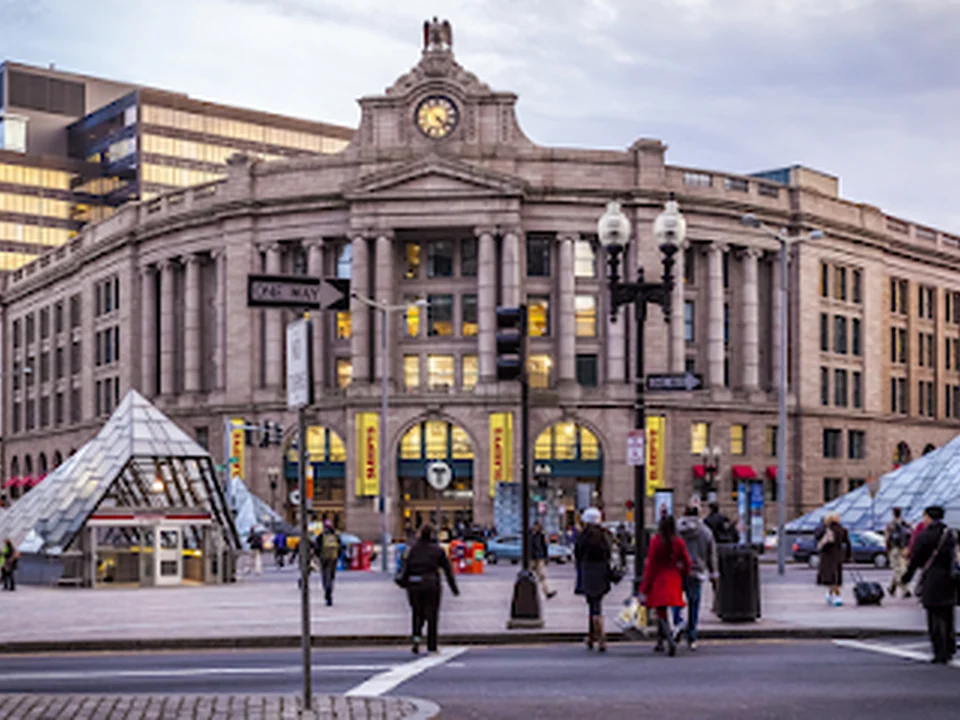
South (Train Terminal) is a major Boston rail hub with a striking historic exterior and a large interior concourse. It serves as an important point for Amtrak travel and connects visitors with food, coffee, retail, and everyday travel essentials while they wait.

The station’s central location makes it useful for onward journeys, though the scale of the building can make ticket guidance and wayfinding less intuitive for first-time visitors. Travelers with a scheduled departure will benefit from allowing extra time to locate the correct service and platform.

South Station #3

South Station

4.21259 reviews
700 Atlantic Ave, Boston, MA 02110, United States
Best for
Downtown connectionsRegional rail journeys

South Station is one of Boston’s most useful transportation hubs, bringing commuter rail, intercity buses, and Red and Silver Line subway connections together in a central location. Clear signs, multiple access points, food outlets, shops, seating areas, and practical amenities make transfers relatively easy even when the station is busy.

It works particularly well as a starting point for downtown travel, regional rail, or an intercity bus journey. The concourse can feel crowded and seating is not unlimited, but its range of connections and straightforward layout remain major advantages.

Maverick #4

Maverick

4.4155 reviews
Boston, MA 02128, United States
Best for
East Boston travelWaterfront visitors

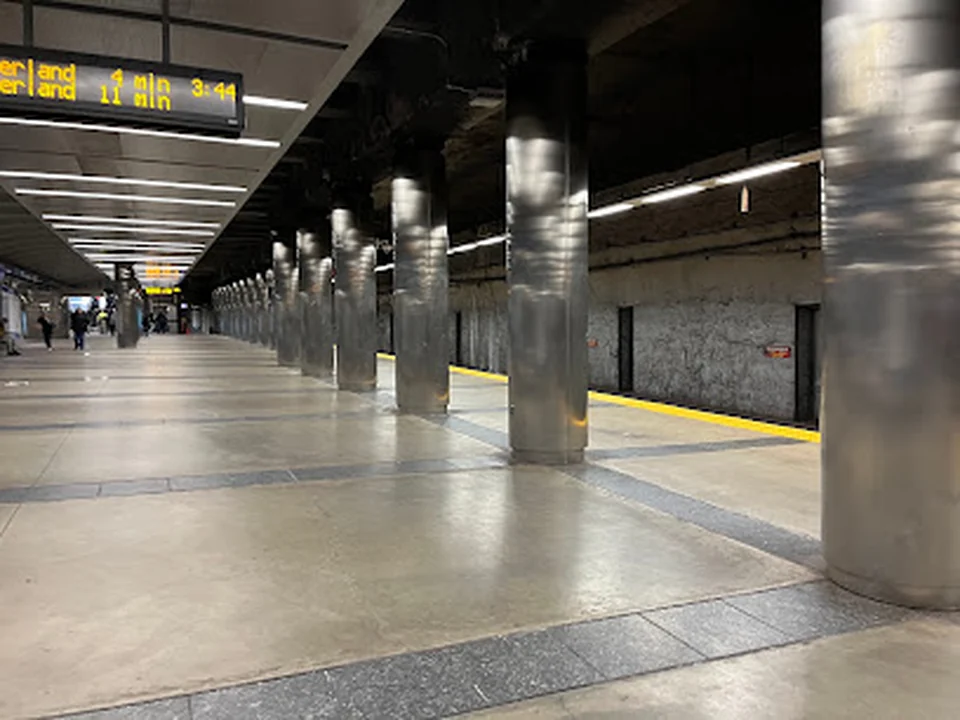
Maverick is a spacious MBTA station serving East Boston from Maverick Square, with subway and bus connections and two entrances that make the stop practical for local travel. Wide platforms, elevators, fare information, a train tracker, and nearby shops and food outlets add useful convenience.

The station is generally clean and has received substantial attention over time, while its waterfront proximity gives travelers an appealing reason to explore beyond the platform. The area immediately around the station can feel exposed and windy, so visitors unfamiliar with East Boston should stay alert while navigating outside.

Back Bay Station (Amtrak & Orange Line) #5

Back Bay Station (Amtrak & Orange Line)

4.2655 reviews
Back Bay, 145 Dartmouth St, Boston, MA 02116, United States
Best for
Rail travelers making a central Boston connection

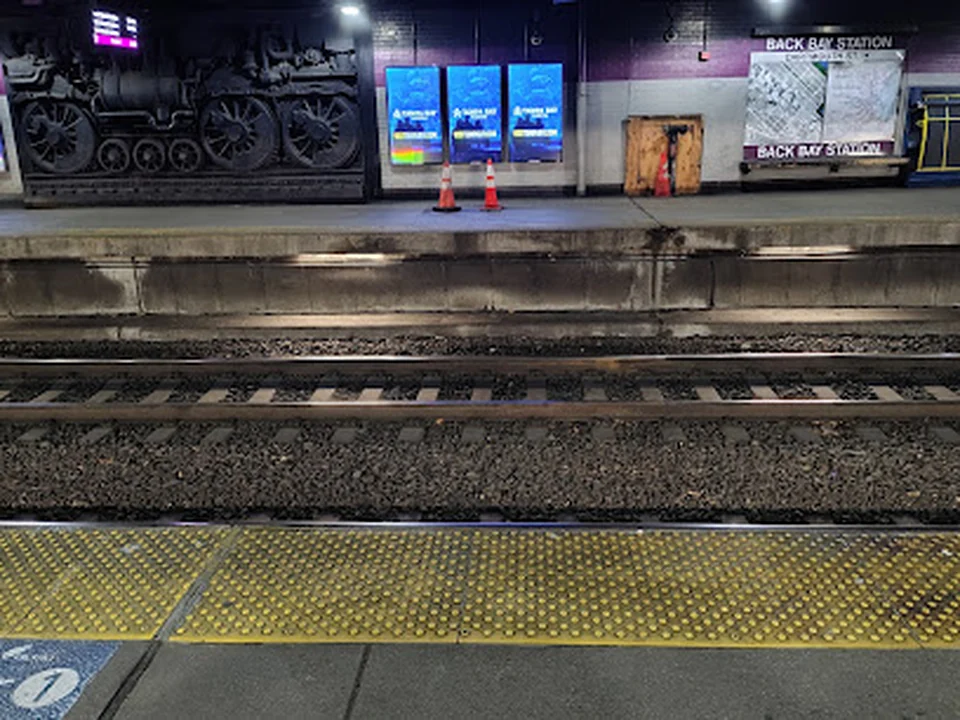
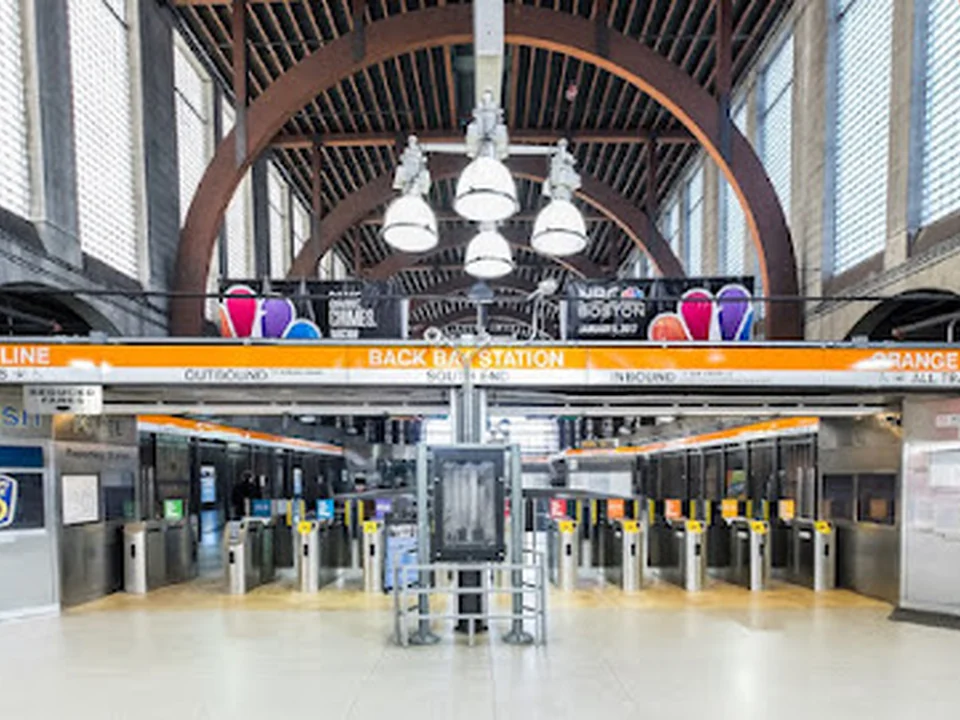
Back Bay Station brings Amtrak, commuter rail, and Orange Line connections together in central Boston, making it a useful transfer point for city travel and longer journeys. The station is particularly convenient for reaching Copley Square, nearby shopping, restaurants, and Fenway Park.

Inside, travelers have access to food and drink options, including Dunkin’, as well as passenger facilities and a multi-storey car park. The station is busy and functional rather than atmospheric, but regular cleaning has improved the restrooms and general upkeep. Its combination of rail, subway, and surrounding amenities makes it practical for commuters, visitors, and travelers carrying luggage.

Park Street #6

Park Street

4.2315 reviews
Tremont St & Park Street &, Winter St, Boston, MA 02108, United States

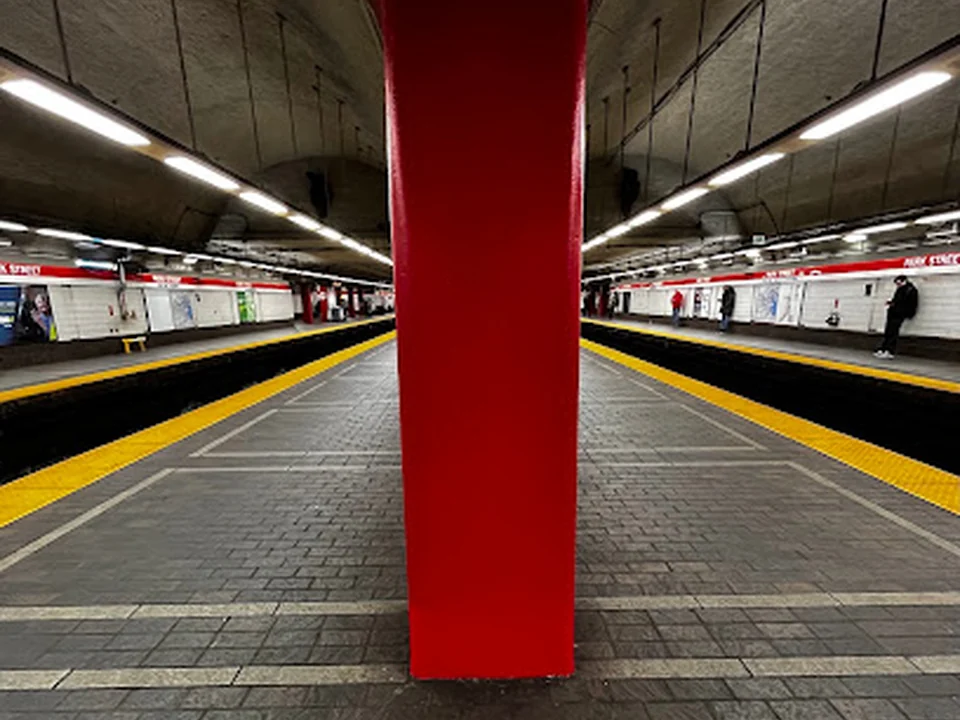
Park Street is a central Boston transit station serving the Red and Green Lines, with direct access to the city’s downtown core. Its location makes it useful for reaching Boston Common, the Freedom Trail, nearby parks, restaurants, and major visitor areas, while frequent train service supports quick movement across the city.

The station is functional rather than polished, and cleanliness can vary, but its network value is difficult to overlook. It is a particularly convenient interchange for visitors combining sightseeing with public transportation and for commuters traveling between downtown and neighborhoods served by the Red or Green Line.

Forest Hills #7

Forest Hills

4.2259 reviews
Washington St &, Hyde Park Ave, Jamaica Plain, MA 02130, United States
Best for
Suburban commuters transferring to the Orange LineTravelers connecting between local bus routes

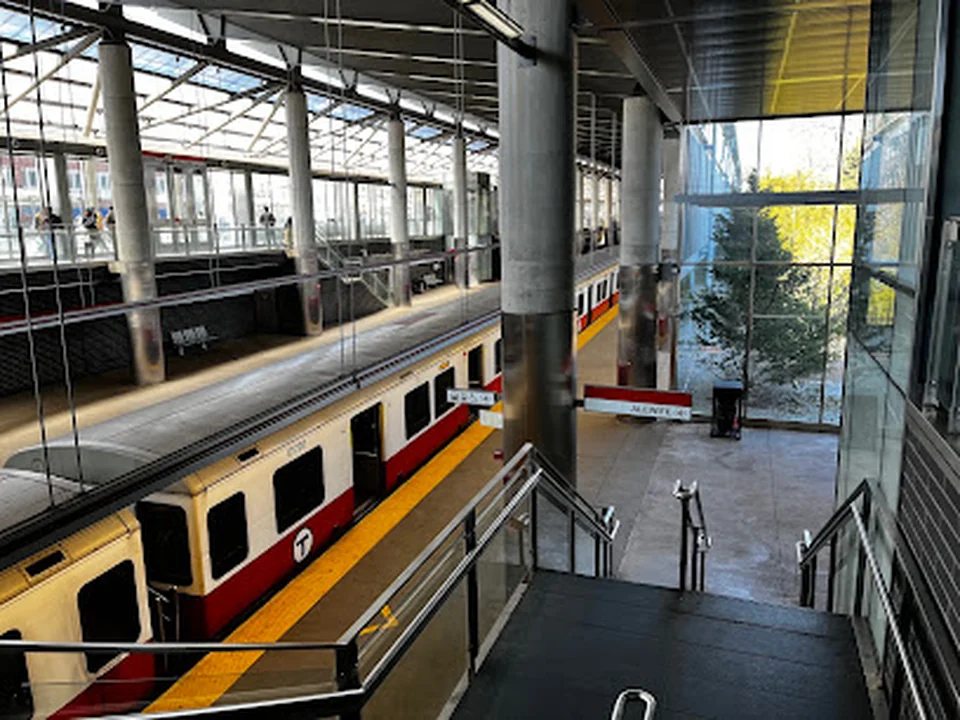
Forest Hills is a major Boston transit station connecting the Orange Line with local buses and selected commuter rail services. Its elevated rail structure, redesigned busways, and links to neighborhoods including Hyde Park, Roslindale, West Roxbury, Dedham, and Mattapan make it an important gateway into downtown.

The station is busy but generally well cared for, with on-site facilities and parking. Transfers between multiple bus routes and the Orange Line are straightforward, while the station’s scale helps accommodate substantial commuter traffic. The commuter rail platform is more utilitarian and may feel less polished than the main transit areas.

North Station #8

North Station

4.1536 reviews
135 Causeway St, Boston, MA 02114, United States
Best for
Commuter rail passengersDowneaster travelers

North Station is a well-organized Boston transportation hub serving the subway, commuter rail, and bus network from Causeway Street. Clearly marked platforms and efficient passenger flow make it practical for commuters, while the surrounding area adds access to restaurants, shops, major attractions, and the TD Garden district.

The station is compact in some waiting areas, with limited seating for certain rail departures, but security presence and generally orderly boarding support a comfortable journey. Travelers using commuter rail or the Downeaster will find it a useful northern gateway into and out of the city.

Ruggles #9

Ruggles

4.2188 reviews
1150 Tremont St, Roxbury, MA 02120, United States

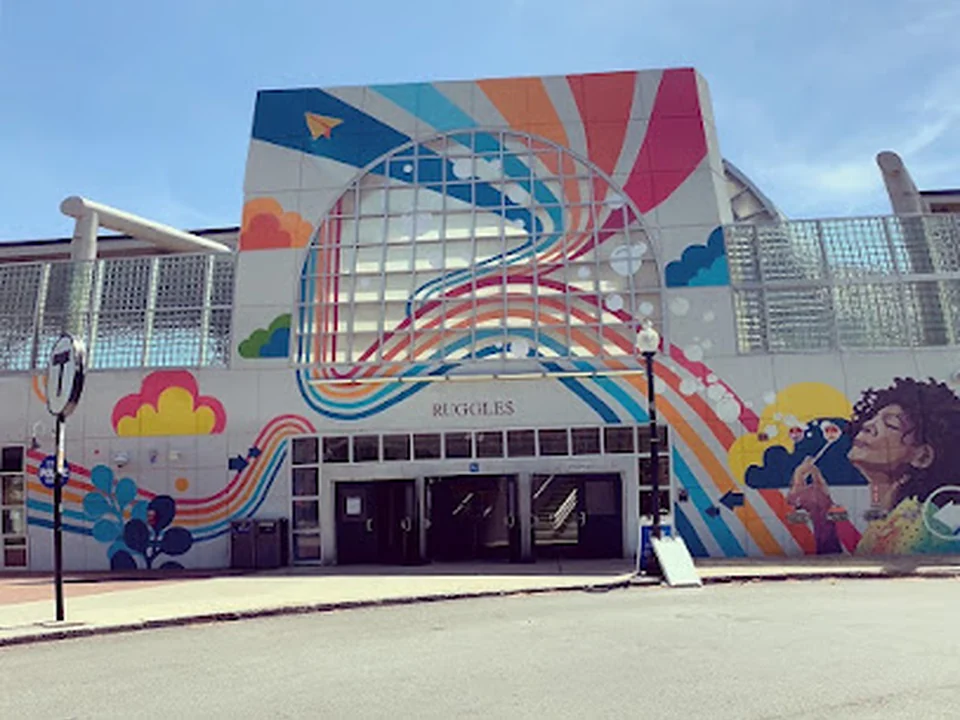
Ruggles is an important Boston transit hub connecting the Orange Line with commuter rail and multiple bus routes. Its location is especially useful for Northeastern University, the Longwood Medical Area, and nearby neighborhoods, while a spacious open layout, food outlets, and bicycle facilities add practical value for daily travel.

The station can be confusing for first-time visitors, particularly when identifying the correct track, and conditions around the open platforms may feel cold or exposed. Planning the route in advance is worthwhile when a tight connection matters.

Harvard #10

Harvard

4.2157 reviews
1400 Massachusetts Avenue, 1 Brattle St at, Cambridge, MA 02138, United States
Best for
Harvard visitors

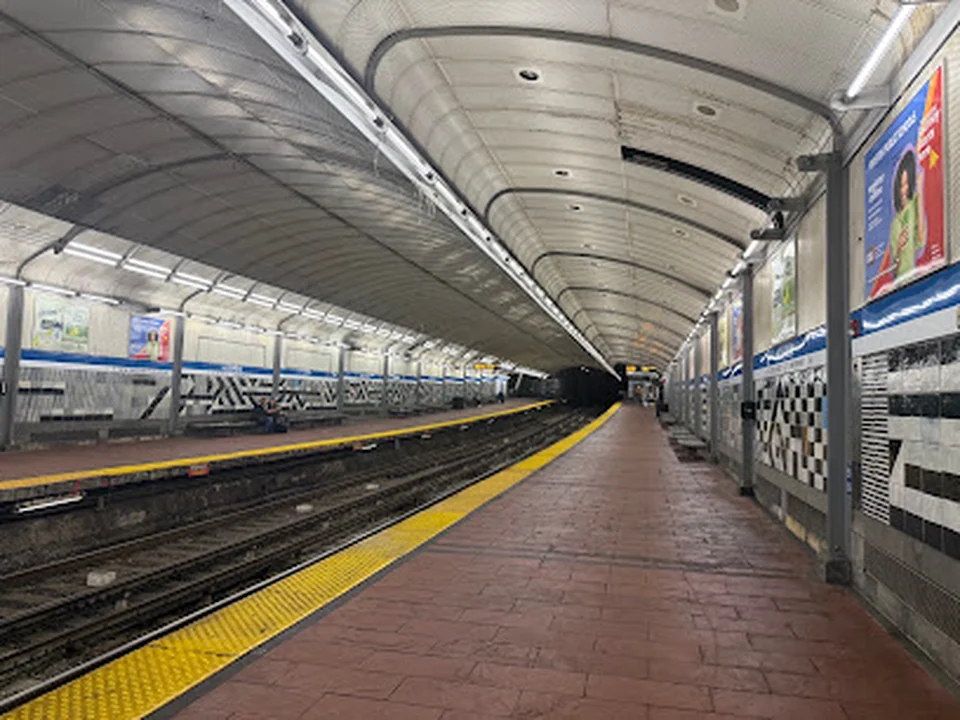
Harvard station is the natural Red Line stop for Harvard Square and the surrounding university district. Its broad platforms and straightforward layout make it easy to use for visitors exploring the area, with direct service toward Alewife, downtown Boston, MIT, Quincy, and Braintree.

The station’s fame and central position give it strong sightseeing value, although restroom availability is a practical limitation and cleanliness can vary. For travelers heading to Harvard, nearby cultural destinations, or the lively square, it remains one of the city’s most recognizable transit stops.

Orient Heights #11

Orient Heights

4.383 reviews
Boston, MA 02128, United States
Best for
East Boston and Winthrop commutersRiders combining driving with subway travel

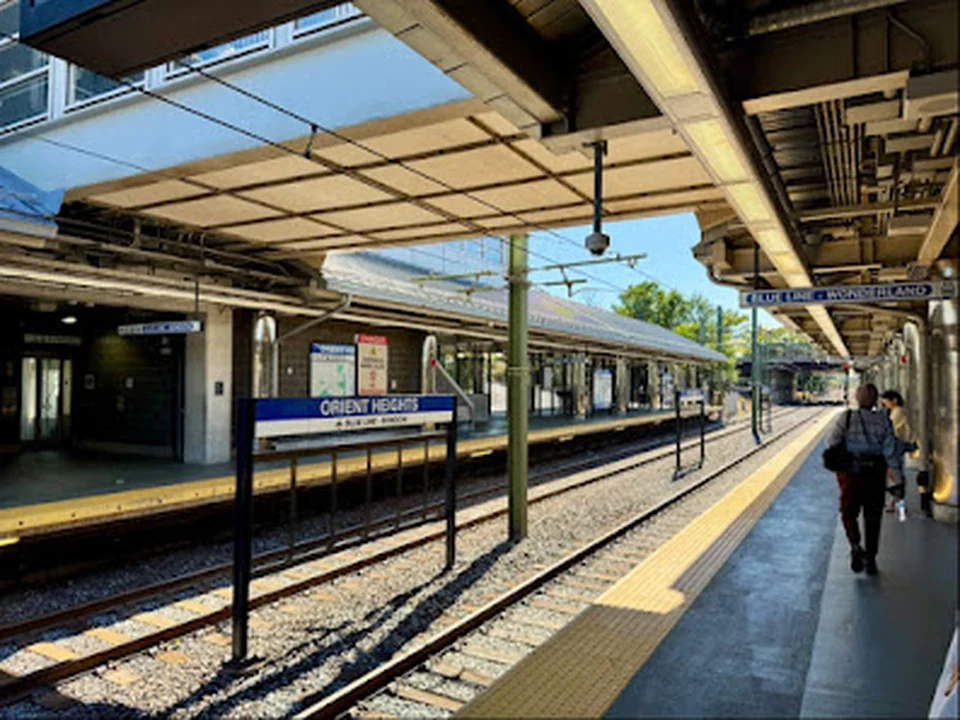
Orient Heights is a rebuilt Boston transit station serving the subway and nearby bus connections in East Boston. A convenient drop-off lane and substantial surface parking make it appealing to riders who drive, while restaurants, local shops, homes, and the waterfront area add interest around the stop.

The station has a clean, modern layout and displays historic images of the neighborhood and transit system. It works well as a feeder point for Winthrop and East Boston, with a relatively quick subway ride toward the city and airport area. Shuttle arrangements during service changes can be less intuitive, so platform signage and current instructions deserve attention.

Government Center #12

Government Center

4.4238 reviews
1 Cambridge St, Boston, MA 02114, United States
Best for
Downtown sightseeing transfers

Government Center is a central Boston subway station serving the Green and Blue lines, with connections to nearby bus service. Its spacious, modern design, strong lighting and clean presentation make transfers more straightforward, while staff are available to help with questions. The station also places riders close to Boston City Hall, Boston Common, Faneuil Hall and other major civic and historic destinations.

It is particularly useful for visitors moving between downtown attractions or connecting across the Green and Blue lines. Ticket and card vending facilities support routine travel, and transit assistance is available in English, Spanish and more than 160 additional languages through interpreter services.

Back Bay #13
What stands out
  • Subway, commuter rail, bus, and Amtrak connections

Back Bay

4500 reviews
145 Dartmouth St, Boston, MA 02116, United States
Best for
Back Bay visitorsAmtrak and commuter rail passengers

Back Bay station brings together MBTA subway, commuter rail, bus, and Amtrak connections near Copley Square and Boston’s central business and hotel districts. Its retail level and walkable surroundings make it useful for travelers arriving in the Back Bay, while the range of rail services can save a cross-city transfer.

The station is large and its signage can be difficult to follow, especially when platforms change at short notice. Conditions are functional rather than polished, with limited seating and a dated waiting area, so passengers should leave room to confirm their platform before boarding.

Ashmont #14

Ashmont

4.1172 reviews
Dorchester Ave &, Ashmont St, Boston, MA 02124, United States

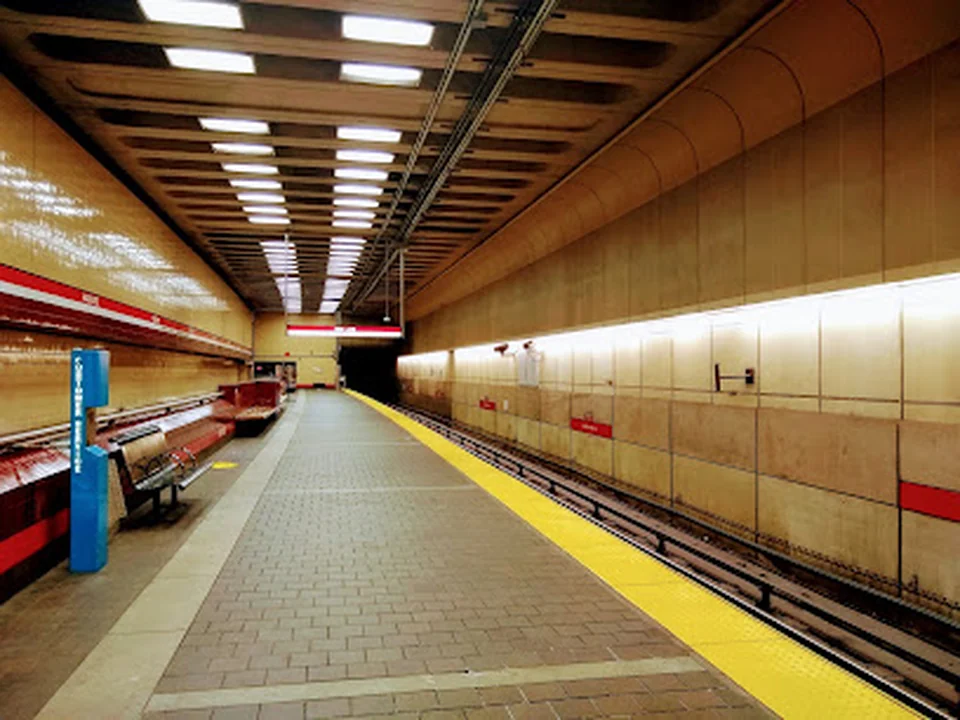
Ashmont is a busy Red Line terminal and transit center serving Dorchester, with bus connections, trolley access, and nearby neighborhood destinations. Its historic design gives the station more character than a standard stop, while clean platforms, helpful staff, and frequent service make it practical for everyday commuting.

The station can become crowded and confusing for visitors unfamiliar with the bus areas, particularly during busy periods. Travelers making a timed connection should plan their route in advance and allow space for navigating the terminal and surrounding streets.

Aquarium #15

Aquarium

4.4153 reviews
Atlantic Ave and, State St, Boston, MA 02110, United States
Best for
Visitors exploring Boston’s waterfront

Aquarium is a Boston subway station serving a lively downtown area near waterfront attractions, restaurants, and the city’s aquarium. Its location makes it useful for visitors exploring the harbor and nearby sights.

The station is generally regarded as clean and well organized, although access includes stairs and escalators may not always be dependable. Check the route and entrance conditions before travelling with luggage or mobility needs.

Do you run a business?

Manage or add my business

Map of transit stations in Boston

Central Boston connections cluster around South Station, Back Bay Station, Park Street, and North Station. Maverick serves East Boston, waterfront visitors, and Blue Line riders, while Forest Hills supports Orange Line and local bus transfers.

Choose by the next leg of your journey rather than station name alone. A central rail hub may simplify an intercity connection, while a neighborhood station can reduce extra transfers for local or suburban travel.

Travel connections to consider

  • Amtrak and rail travelSouth Station and Back Bay Station support Amtrak travelers and rail passengers making central Boston connections.
  • Commuter rail journeysNorth Station serves commuter rail passengers, including travelers using the Downeaster.
  • Intercity bus travelSouth Station is useful for travelers combining downtown access with regional rail and intercity bus services.
  • Blue Line accessMaverick is a practical option for East Boston travel, waterfront visits, and Blue Line rides.
  • Orange Line transfersForest Hills supports suburban commuters changing to the Orange Line and travelers connecting with local buses.
  • TD Garden accessNorth Station suits commuters and visitors attending events at TD Garden.

How to choose a station

  1. Start with your next connection: rail, subway, bus, or walking route.
  2. Use North Station for TD Garden events and Downeaster or commuter rail travel.
  3. Choose South Station or Back Bay Station when your trip involves central rail access.
  4. Check whether Maverick or Forest Hills reduces transfers for your local route.
  5. Allow extra time when traveling at busy periods or before an event.
  6. Confirm departure details and any booking requirements before leaving.

Frequently asked questions

Which Boston station is best for Amtrak travel?

South Station and Back Bay Station are the main options highlighted for Amtrak and rail passengers. The better choice depends on your train, onward connection, and where you need to go after arriving.

Check the specific departure location before traveling, especially when your itinerary includes a transfer between rail and subway services.

Where should I go for a TD Garden event?

North Station is the practical choice for visitors attending events at TD Garden. Its location can make the final part of the trip simpler than arriving at another central station.

Plan extra time around event start and end periods, when platforms, entrances, and nearby routes can be especially busy.

Which station helps with East Boston and waterfront travel?

Maverick is highlighted for East Boston travel, waterfront visitors, and Blue Line riders. It can be a convenient starting point when your route naturally follows the Blue Line.

Compare the full journey, including the walk or local connection after leaving the station, before deciding.

Can I use Forest Hills for an Orange Line transfer?

Yes. Forest Hills is suited to suburban commuters transferring to the Orange Line and travelers connecting between local bus routes.

It may be more convenient than traveling into a central hub when your destination is already aligned with the Orange Line or a connecting bus.

Related guides