BostonPicks

6 Best Cultural Landmarks in Boston

Boston cultural landmarks offer compact ways to connect with the city’s history, from historic civic buildings and old markers to distinctive Chinatown and downtown sites. This guide brings together places worth adding to a walking route or a focused heritage visit.

Choose stops by historical interest, neighborhood flow, and the time you have available. It is also worth checking the site’s setting, public access, and nearby attractions before setting out, especially when planning several landmarks in one outing.

How this guide is ordered

The guide emphasizes the landmark’s historical or cultural character, its usefulness within a Boston walking route, and the practical ease of combining it with nearby stops. The presentation also considers the care and cleanliness of the surrounding visit experience. Some eligible businesses may purchase enhanced visibility, which can influence their placement.

Top 3 Ranking Map How to choose

Explore 6 cultural landmarks in Boston

China Trade Gate #1

China Trade Gate

4.42107 reviews
John F Fitzgerald Surface Rd &, Beach St, Boston, MA 02111, United States

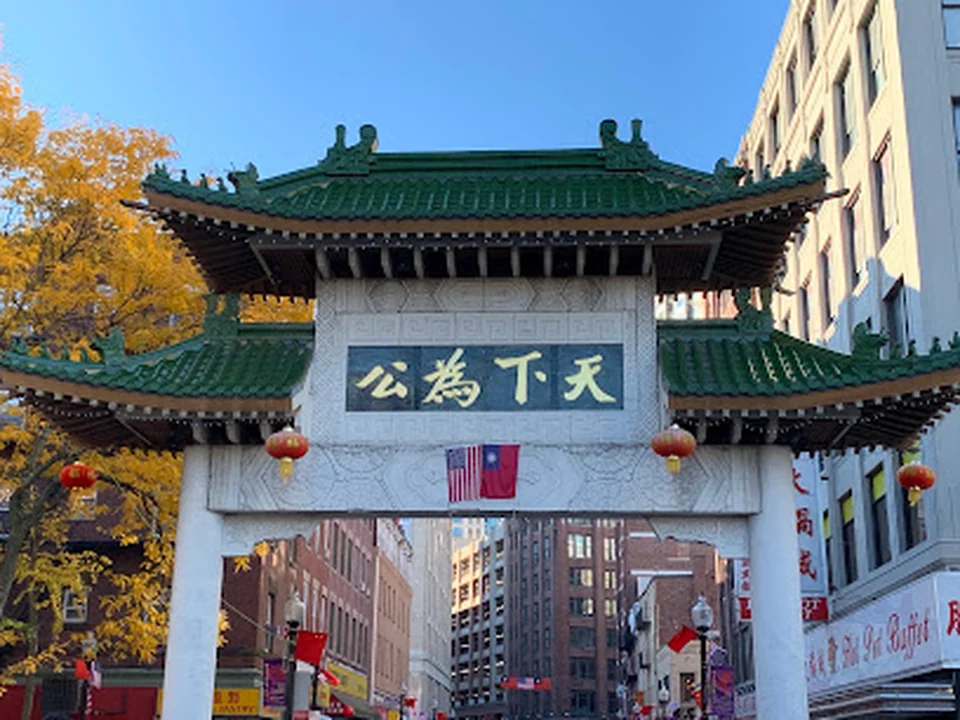
China Trade Gate is a defining cultural landmark at the entrance to Boston’s Chinatown. The traditional paifang marks the neighborhood’s identity and provides an immediate visual introduction to a district shaped by history, food, commerce, and community life.

It makes a worthwhile starting point for exploring Chinatown on foot, with Asian restaurants, grocery stores, tea and bubble-tea shops, dumplings, hand-pulled noodles, and colorful street art nearby. The surrounding district’s ongoing beautification and community programming add to its appeal as more than a quick photo stop.


Boston's Old City Hall #2

Boston's Old City Hall

4.6533 reviews
45 School St, Boston, MA 02108, United States

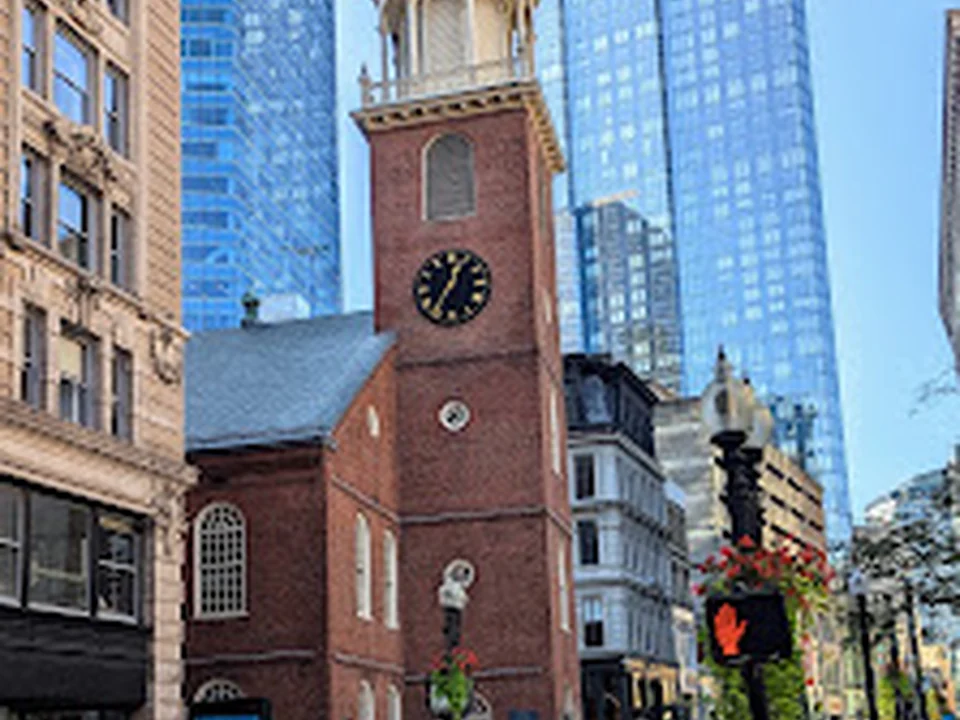
Boston’s Old City Hall is a distinctive Victorian Gothic landmark in the heart of the city. Its ornate façade, pointed arches, shaded setting, and Benjamin Franklin statue make it an appealing architectural and photographic stop along the Freedom Trail.

The building adds civic history and nineteenth-century character to a downtown walk, with inscriptions and surrounding landmarks offering plenty to examine from the outside.

Cop Slide #3

Cop Slide

4.8134 reviews
The Cancer Garden of Hope, 5 Congress St, Boston, MA 02203, United States

Cop Slide is an offbeat Boston landmark built around a fast, compact slide that has become a memorable stop for visitors looking for something playful between more traditional sights. The climb is part of the experience, and the metal structure gives the attraction an irreverent, energetic character.

Its appeal is strongest for families and for adults who enjoy unusual city attractions, though the posted children-only designation matters when planning a visit. The surrounding area is kept clean, making this a quick, entertaining detour rather than a full-day destination.

The Boston Stone #4

The Boston Stone

4.573 reviews
Marshall St, Boston, MA 02108, United States

The Boston Stone is an unusually modest landmark with a surprisingly rich place in the city’s story. The painted millstone, brought from England in the 1600s, stood near an early settler’s home and later became a familiar local marker used in notices and directions. Its significance comes from that everyday role in Boston’s development rather than from grand architecture.

Located on Marshall Street, it rewards visitors who enjoy finding overlooked details in historic neighborhoods. The stop is brief, though photo queues can add time when interest is high.

Ben Franklin House #5

Ben Franklin House

4.372 reviews
17 Milk St, Boston, MA 02109, United States

Ben Franklin House is a Boston historical landmark marking the birthplace of Benjamin Franklin at 17 Milk Street. The original house no longer survives, but a bust and identifying plaque preserve the site within the Financial District.

It is easy to overlook among the surrounding buildings, making it best approached as a brief historical stop while exploring nearby landmarks, restaurants, and city streets.

The Great Elm #6

The Great Elm

4.517 reviews
Boston, MA 02108, United States

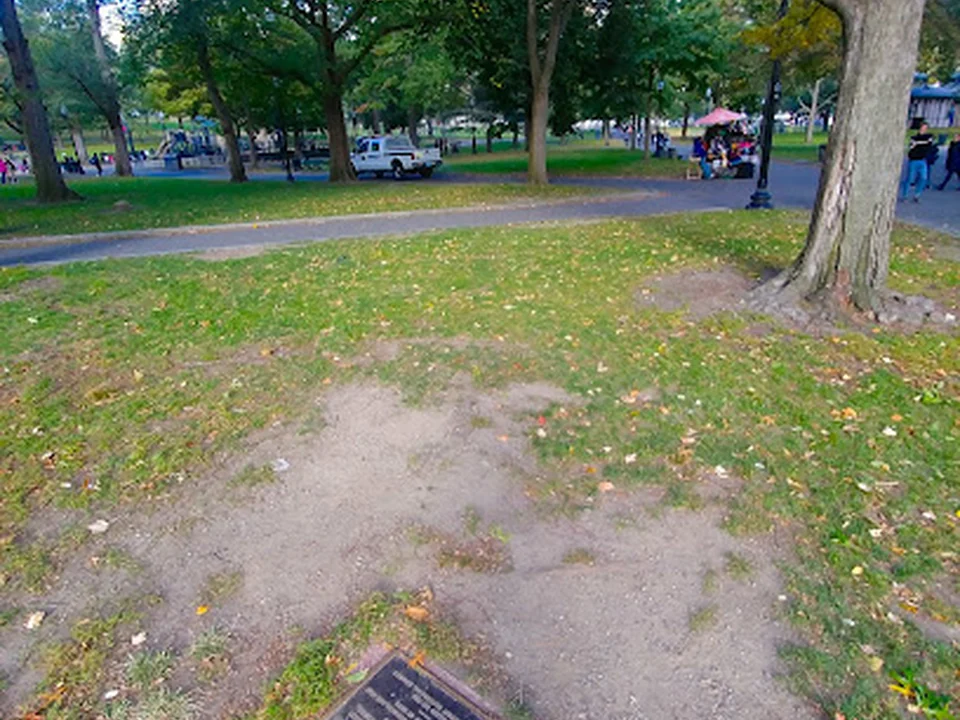
The Great Elm is a Boston historical landmark connected with the city’s early public history and stories of punishment. The site is modest and can be easy to miss, with a plaque and a young replacement elm helping visitors identify the location.

It works best as a short stop for families, history-minded walkers, and anyone tracing Boston’s lesser-known landmarks alongside a broader city route.

Do you run a business?

Manage or add my business

Map of cultural landmarks in Boston

The landmarks are spread across central Boston and nearby historic urban areas, making them suitable for a route that combines civic history, public art, and distinctive city markers. China Trade Gate, Boston’s Old City Hall, The Boston Stone, and Ben Franklin House each offer a different kind of stop.

Use the map to group nearby points rather than crossing the city for a single brief visit. Check walking distances, street conditions, access arrangements, and nearby cafés or attractions so the route matches your available time.

Ways to plan your landmark visit

  • Historic site visitsExplore civic and historical landmarks such as Boston’s Old City Hall and Ben Franklin House.
  • Cultural photo stopsAdd distinctive public landmarks, including China Trade Gate and The Great Elm, to a city walk.
  • Short walking-route stopsBuild a compact itinerary around sites that can be combined with other central Boston attractions.
  • Local history explorationUse markers such as The Boston Stone and Cop Slide to add smaller historical points to a route.
  • Downtown sightseeingPlan a central sightseeing loop that balances landmark interest with practical walking distances.

How to choose cultural landmarks

  1. Start with the historical theme that interests you, such as civic history, local markers, or cultural identity.
  2. Group nearby sites into one walking route to make the most of your time.
  3. Check whether each point is an exterior stop, an accessible interior, or a brief viewing opportunity.
  4. Allow extra time for photos, surrounding streets, and nearby attractions.
  5. Wear comfortable shoes and check the route for stairs, crossings, and uneven pavement.
  6. Confirm current access conditions before traveling, especially for heritage buildings.

Frequently asked questions

Which Boston cultural landmarks work well on a short visit?

Smaller points such as The Boston Stone, The Great Elm, China Trade Gate, and Cop Slide can fit naturally into a central walking route. Boston’s Old City Hall and Ben Franklin House may deserve more time if you want to pause and explore their historical setting.

Can these landmarks be visited as one walking route?

They can be combined into a broader Boston history walk, but the best sequence depends on your starting point and the access available that day. Use the map to group nearby locations, then allow time for street crossings, photos, and any interior visit.

What should I check before visiting a historical landmark?

Confirm whether the site is primarily an exterior point or offers interior access, and check any current restrictions or event-related changes. Also consider the surrounding route, weather, pavement, and how easily the landmark connects with your next stop.

Are these landmarks suitable for families?

Many are easy to include in a family city walk because they provide short, varied stops rather than one long visit. Choose points with enough surrounding space for a pause, keep the route manageable, and explain the story behind each landmark to make the visit more engaging.

Related guides